Metal Roofing in the Northland areas
Roofs Built for Decades of Heavy Snow
Metal Roofing for properties facing harsh winter weather and rapid temperature swings
Peak Construction Roofing handles residential and commercial metal roof installations, replacements, and repairs for structures throughout Duluth and Virginia, MN and Hayward, WI areas. Metal systems withstand the severe freeze-thaw cycles common in northern Minnesota, where snow loads and ice damming destroy conventional roofing materials within years. You get a roof designed to shed snow efficiently and resist the thermal expansion that causes seam failures in cold climates.
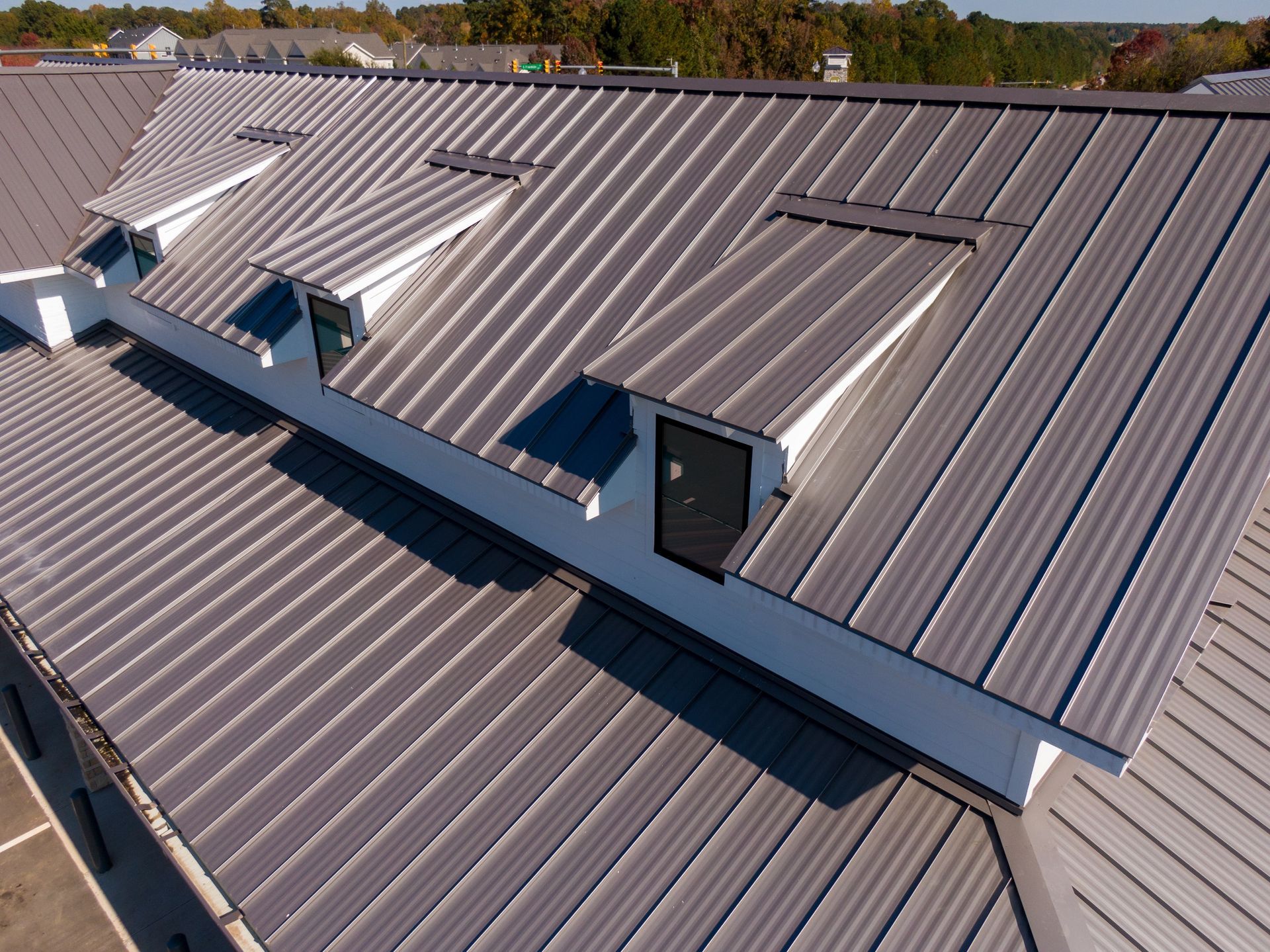
Metal roofing involves fastening interlocking steel or aluminum panels over structural decking, creating a continuous barrier that prevents water infiltration even during spring melt cycles when ice dams form along eaves. The panel profile and fastener placement determine whether the roof handles lateral snow movement without tearing at seams. In Minnesota's climate, proper underlayment selection matters because condensation forms when warm interior air meets cold metal, and without vapor management that moisture rots the decking beneath panels that appear intact from the outside.
Schedule a property evaluation to review structural requirements and panel options for your specific building.
What Proper Metal Roof Installation Requires
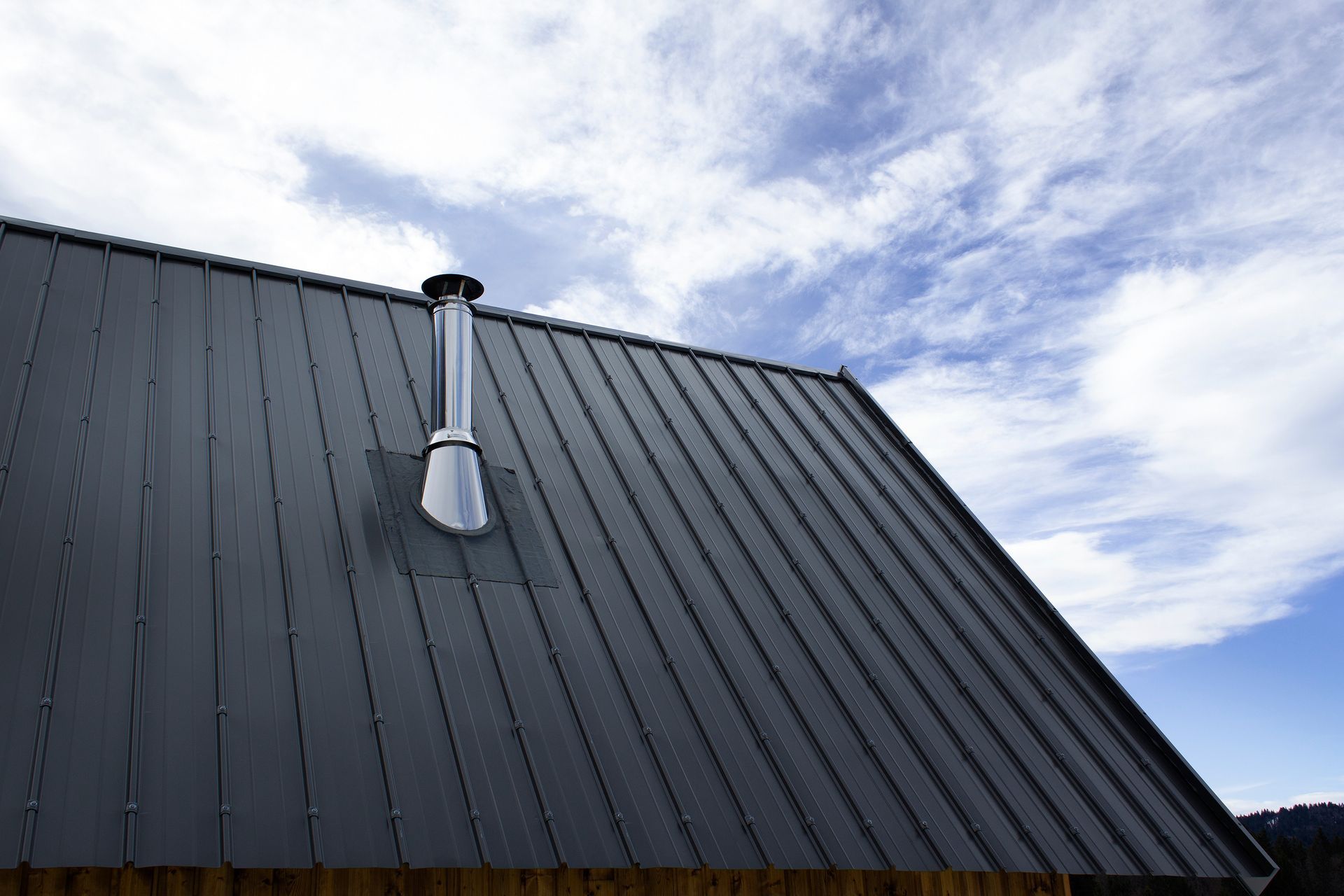
The installation process begins with decking inspection to identify areas where structural support must be reinforced before panels are fastened. Installers measure roof planes to calculate thermal movement ranges, then select fastener types and spacing patterns that allow panels to expand and contract without loosening or creating gaps. Each seam is overlapped and sealed according to the panel manufacturer's specifications, and edge trim is fitted to prevent wind uplift during storms that generate sudden pressure changes across the roof surface.
After Peak Construction Roofing completes the installation, you notice snow slides off the roof in predictable patterns rather than building into heavy drifts that stress the structure. Ice dams no longer form along the eaves because the metal surface maintains consistent temperature, and you stop seeing water stains on interior ceilings where leaks previously appeared during spring thaw. The roof remains quiet during rain because proper fastening eliminates the vibration that causes metal roofs to amplify noise.
Metal roofing includes full tear-off of existing materials when the decking condition requires inspection, but overlay installations are possible when the existing roof provides adequate structural support and moisture barriers remain intact. The approach depends on how many layers are already present and whether local building codes allow additional weight on the existing framing.
Common Questions About This Service
Property owners in Duluth areas typically ask about installation logistics and long-term performance before committing to metal roofing systems.
- What happens during a metal roof installation? Crews remove existing roofing materials down to the decking, repair any structural damage, install underlayment and ice barriers, then fasten metal panels starting from the eave and working toward the ridge. Each panel overlaps the previous one to create a continuous water barrier, and all penetrations are flashed and sealed to prevent leaks around vents and chimneys.
- How does metal roofing perform during winters? Metal roofs shed snow more effectively than asphalt shingles because the smooth surface and heat transfer from the building interior prevent snow from bonding to the roof. This reduces ice dam formation and eliminates the weight load that causes structural stress during heavy snowfall periods common between December and March.
- What factors affect the cost of metal roofing? Panel material choice, roof complexity, and the number of penetrations that require custom flashing all influence project cost. Aluminum panels cost less than steel but dent more easily under hail impact, while standing seam systems cost more than exposed fastener panels but last longer because fasteners aren't exposed to weather.
- When should I replace rather than repair a metal roof? Replacement makes sense when panel corrosion has compromised structural integrity, when fastener holes have elongated from thermal movement and can no longer hold panels securely, or when the underlayment has failed and moisture is reaching the decking. Isolated panel damage from fallen branches or storm debris can usually be repaired without full replacement.
- How long does metal roofing last in northern climates? Properly installed metal roofs in cold climates typically last forty to sixty years depending on panel coating quality and maintenance practices. The primary failure mode is fastener degradation rather than panel deterioration, so roofs with concealed fastener systems outlast exposed fastener designs where screws are directly exposed to freeze-thaw cycles.
Peak Construction Roofing provides detailed assessments of your current roof condition and structural requirements before any work begins. Request an on-site consultation to review panel options and installation approaches specific to your building's design and exposure conditions.
Ready to Get Started?
Request a Quote
Or Call (218) 728-8033
Contact Us
We will get back to you as soon as possible.
Please try again later.